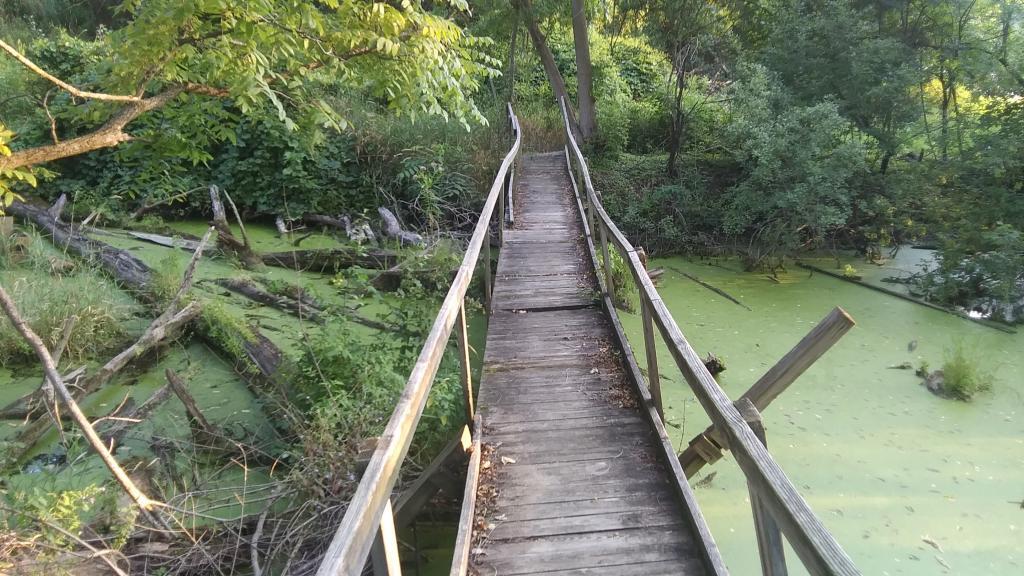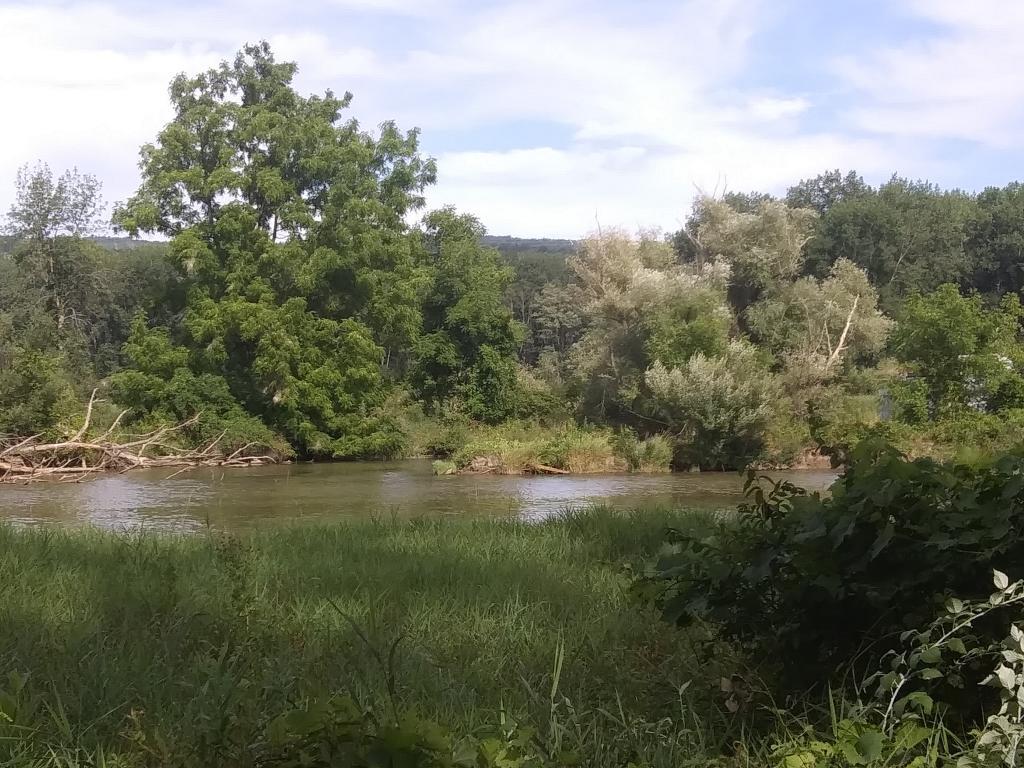
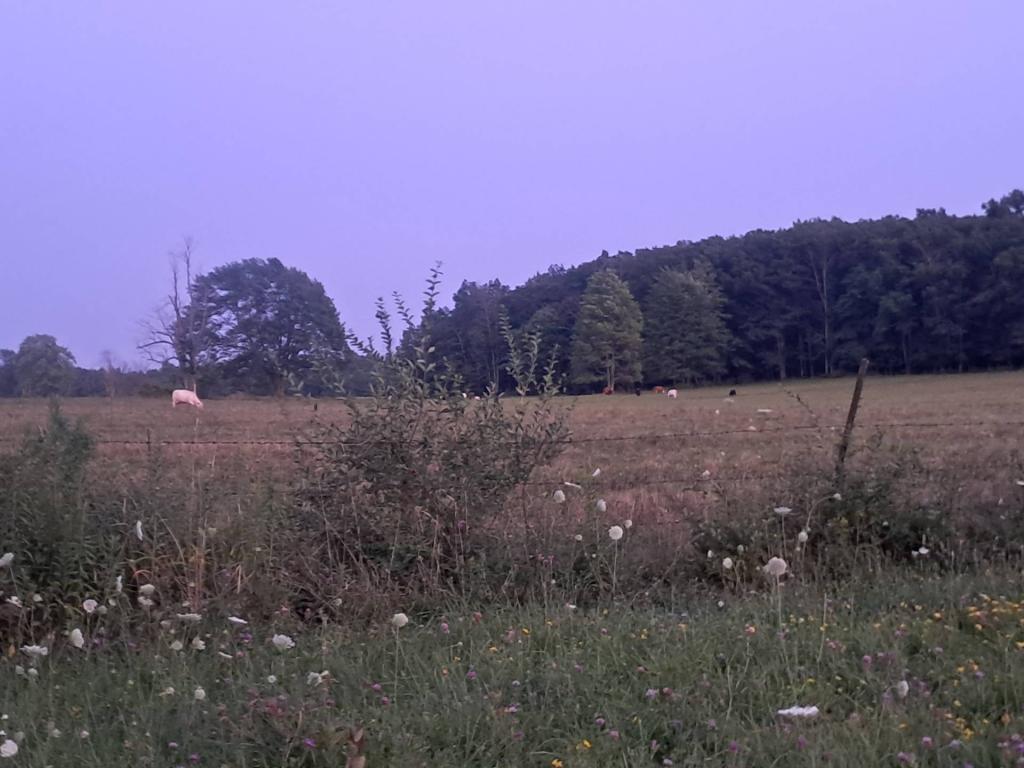
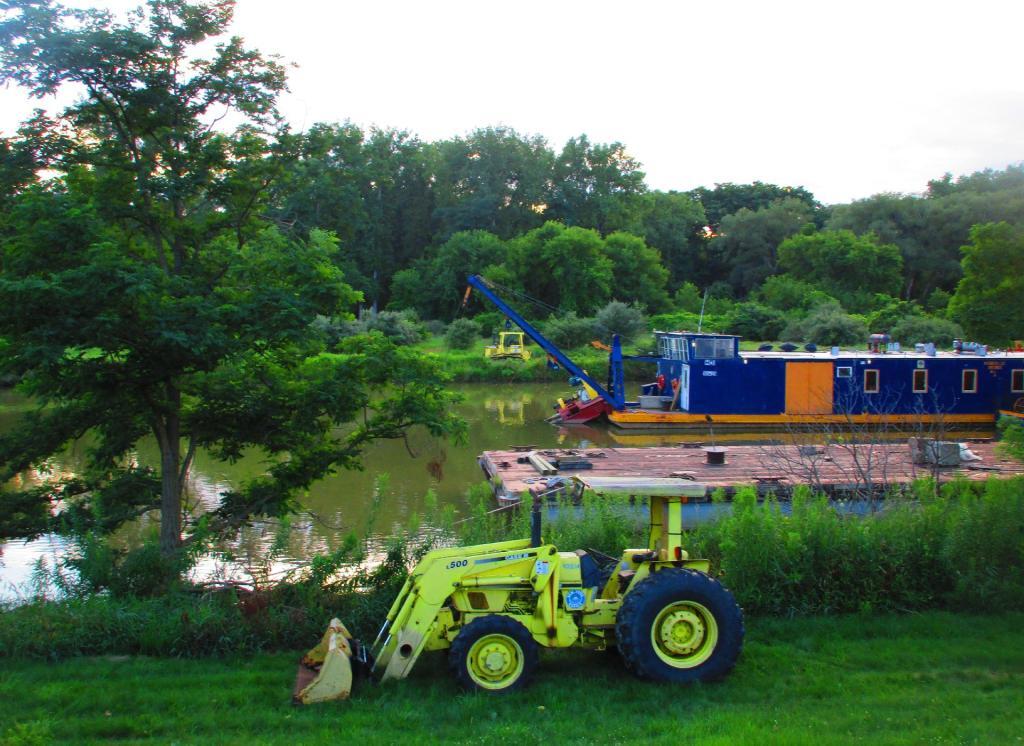
At the southern end of Seneca Lake, between Watkins Glen and Montour Falls, New York, an unusual natural area has evolved. Sedimentation and manipulation of the lake level has led to the formation of a 1,000 acre marsh complex. The area, named for the local Seneca Indian Queen, Catharine Montour, provides a haven for innumerable wildlife. Once navigable into what is now Montour Falls, the waters of Catharine Creek still feed a remnant section of the Chemung Barge Canal, which runs through the center of the marsh. This canal, critical to local industrial development, connected this portion of southern New York to the entire east coast. The Pennsylvania Railroad, bordering the canal through the marsh, served the area after the canal was closed in 1878. The area is rich with history from the time of the Senecas through the years, when much of the marsh was used for truck crop farming, muskrat farming and eventually reed harvesting.
Change Bad Indian Swamp (FID 973978) to Queen Catharine Marsh, New York
This proposal seeks to change the name of Bad Indian Swamp, an approximately 1,000-acre swamp located in the Village of Montour Falls and the Town of Dix, south of Watkins Glen in Schuyler County. The proposed name, Queen Catharine Marsh, honors Queen Catharine Montour, a prominent Iroquois leader whose legacy is recognized throughout the region. The existing name Bad Indian Swamp has appeared on USGS maps since 1950, though its origin is unclear.
The swamp lies within the Catharine Creek Wildlife Management Area (CCWMA), a 900+-acre wetland acquired by the New York State Department of Environmental Conservation in the 1970s. According to letters of support, while the name Bad Indian Swamp has been used locally for over 50 years its origin is unclear.
Queen Catharine Montour led a nearby Seneca village known as Sheaquaga (informally called Catharine’s Town), which was destroyed in the 1779 Sullivan Campaign, a Revolutionary War effort aimed at weakening the Haudenosaunee Confederacy, which had allied with the British. 22
The campaign involved systematic destruction of Indigenous communities and resources, leading to widespread displacement.
The Watkins Glen Area Chamber of Commerce notes that the wetland is known as Queen Catharine Marsh at the state level. The name βQueen Catherine Marshβ also appears in Take a Hike!: Family Walks in the Finger Lakes and Genesee Valley Region (1999) by Rich Freeman.
Prior to submission, the proponent obtained letters of support from the Friends of Catharine Valley Trail, the New York State Assembly (132nd District), the Watkins Glen Area Chamber of Commerce, the Schuyler County Historian, and the New York State Office of Parks, Recreation and Historic Preservation. These letters, submitted through Schuyler County, call for the removal of the name βBad Indian Swampβ from federal maps.
The New York State Assembly, the Chamber of Commerce, and state and local officials argue that the name is derogatory, historically unclear, economically damaging, and inconsistent with modern inclusive interpretive practices. The Watkins Glen Chamber described the name as βdefamatoryβ and βa direct negative portrayalβ of the community, while the NYS Parks Office stated that it contradicts their βWhole Historyβ interpretive approach.
Historian Mark Monmonier noted in From Squaw Tit to Whorehouse Meadow (2007) that Bad Indian Swamp was among 45 names identified for renaming during New Yorkβs 1988 campaign to eliminate offensive names from state maps. Although no formal action was taken at the time, the then-governor Mario Cuomo had directed state agencies to identify and remove derogatory names from state maps. Although the term βBad Indianβ does not appear on the Secretary of the Interiorβs Order 3405 List of Derogatory Geographic Names, this proposal aligns with broader efforts to replace insensitive names with those reflecting cultural respect.
The Chamber also emphasized that Queen Catharine Marsh is already in use at the state level. Furthermore: βThe namesake of the CCWMA and the marsh is Queen Catharine Montourβ¦ Catharine Valley Trail, CCWMA & Montour Falls were named in her honor following the Revolutionary War.β They argued that this established naming reflects the regionβs heritage and underscores the inappropriateness of retaining the name Bad Indian Swamp on federal maps.
Following submission, the proponent contacted the Tribal Historic Preservation Officer of the Seneca Nation, the Tribal Historic Preservation Officer of the Seneca-Cayuga Tribe of Oklahoma, and the Office of the Chief of the Tonawanda Band of Seneca, in accordance with U.S. BGN guidance on cultural sensitivity. No responses were received. This effort reflects the BGNβs guidance that proponents βwork with Tribal Leaders [and] Tribal Historic Preservation Officersβ¦ to determine the acceptability of the proposed name and application.β
The New York State Committee on Geographic Names supports the proposal, citing the demonstrated use of Queen Catharine Marsh.
A motion was made and seconded to approve the name. Prior to the vote, Hammond noted that proponent fulfilled the Cultural Sensitivity Guidelines and followed through on staff recommendations.